Train employees through realistic VR, AR, and MR experiences for safety, technical skills, equipment operation, onboarding, and workforce readiness.
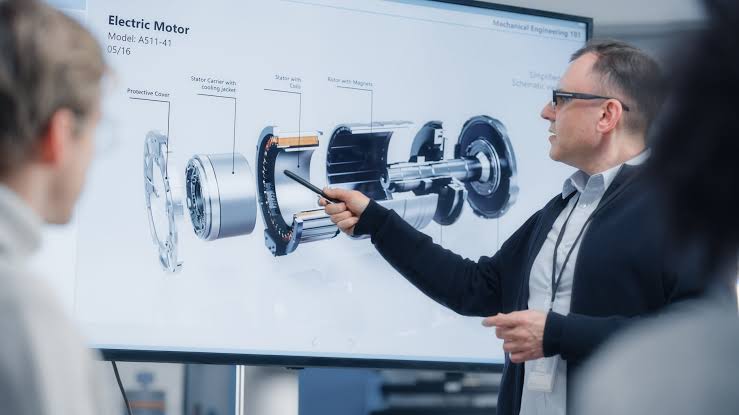
Make Training More Practical
Some skills are easier to learn through hands-on practice. Fore Excel uses VR, AR, and MR to help employees experience realistic scenarios, practice procedures, and build familiarity with workplace tasks in a controlled environment.
Workforce Training Needs
Common Workforce Training Challenges
Limited Practical Experience
Give employees opportunities to practice tasks and procedures before performing them in a live workplace environment.
Safety Risks
Simulate selected hazardous or difficult situations in a controlled training environment.
Inconsistent Training
Deliver standardized training experiences across teams and locations.
Limited Performance Visibility
Where supported by the selected platform, track learner progress, assessments, completion, and available training data.
Immersive Training for Real-World Situations
Safety & Risk Awareness
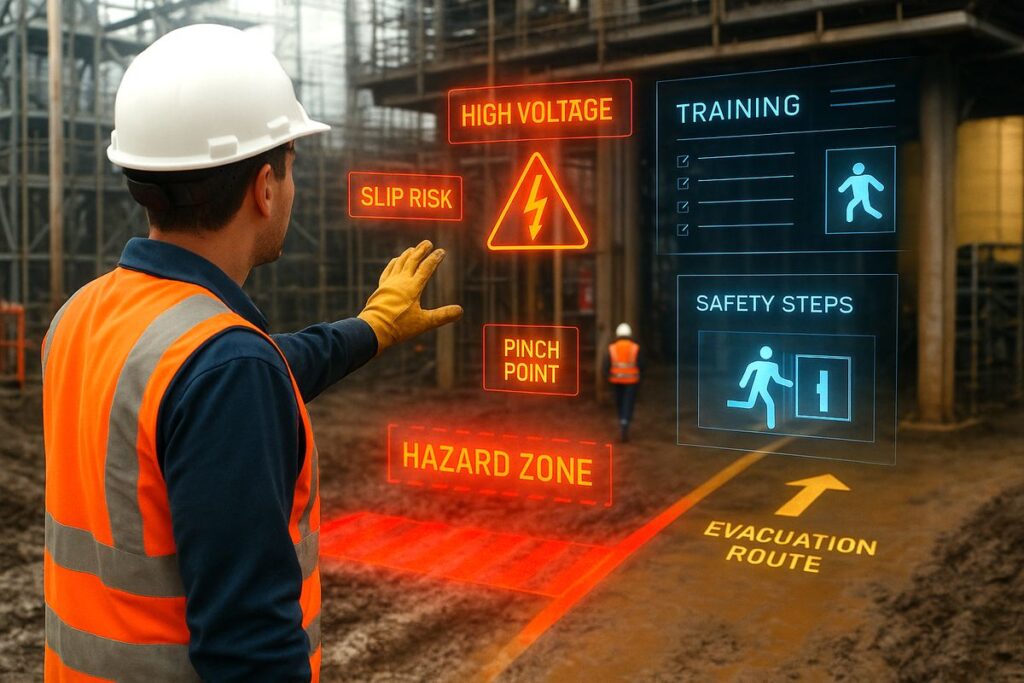
Work-at-Height Safety
Machinery Safety Training
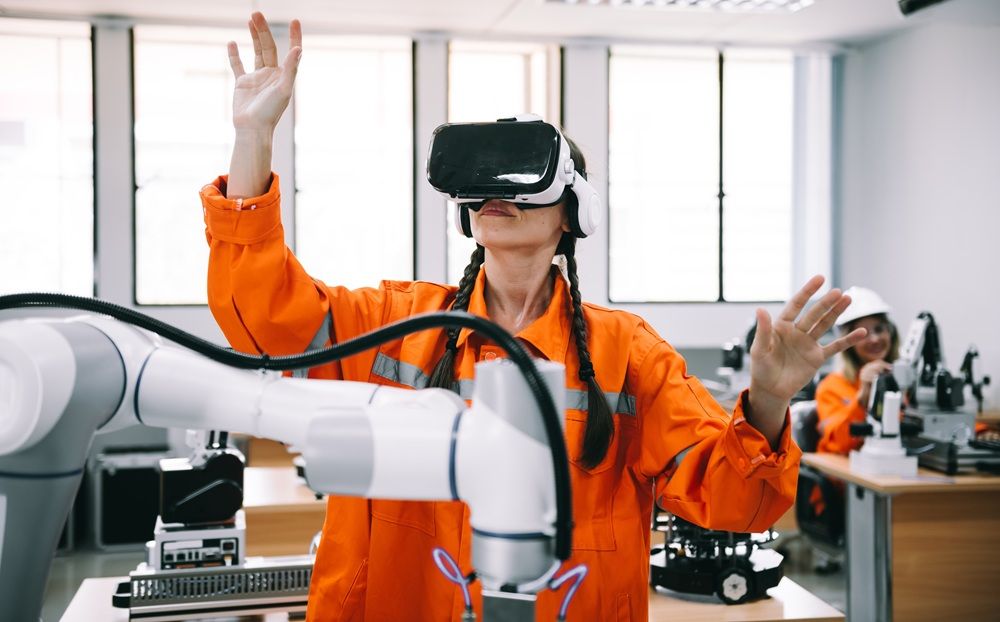
Emergency Preparedness
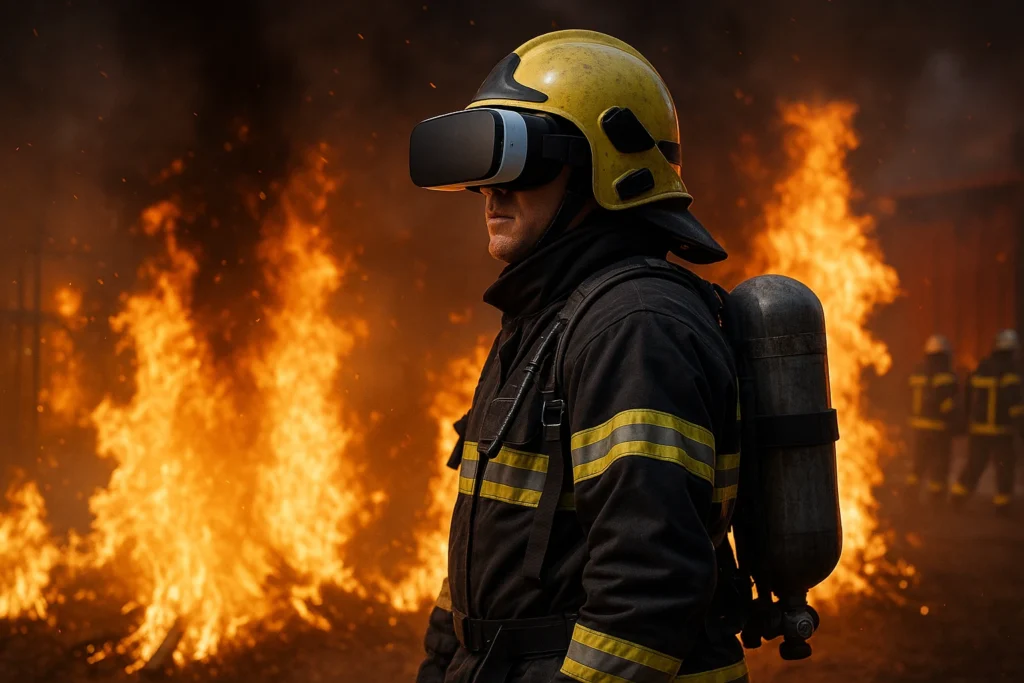
Site Safety & Induction
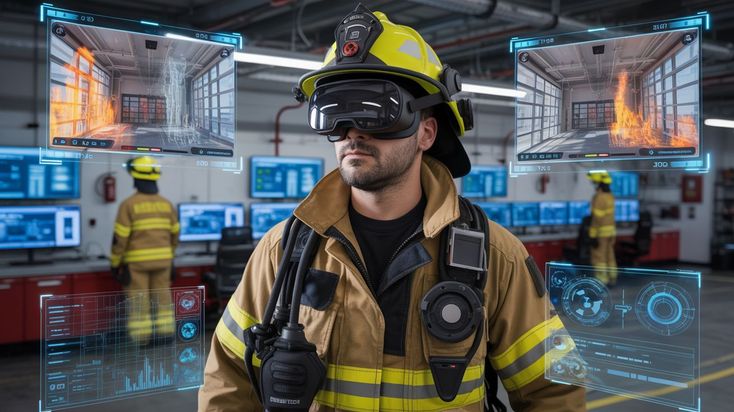
Equipment Handling & Safety
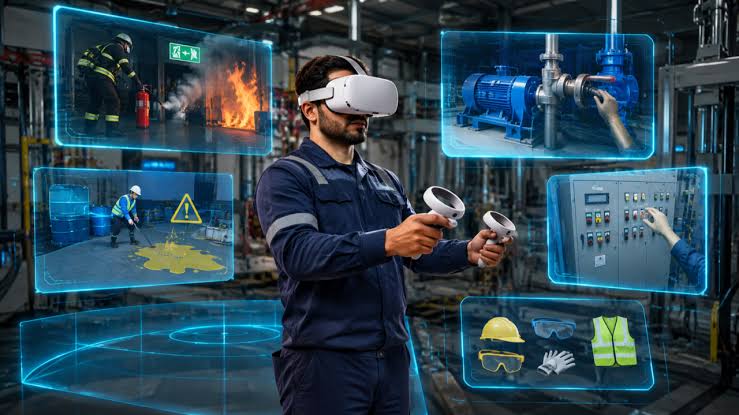
Immersive Training Designed Around Your Workforce
Interactive Learning
Create realistic training environments that encourage active participation.
Skills-Based Training
Practice technical, operational, and role-specific skills through simulations.
Safety & Compliance Training
Help employees understand procedures, hazards, and workplace requirements through realistic scenarios.
Employee Onboarding
Introduce new employees to workplaces, equipment, processes, and safety procedures.
Performance Tracking
Use available analytics to monitor completion, assessments, and learner progress.
Enterprise Deployment
Extend training programs across teams, locations, and business units.
Building More Effective Training Experiences
What Research Shows
4x
Faster Training
VR learners completed training up to 4× faster than classroom learners.
275%
Higher Confidence
VR learners reported up to 275% greater confidence than classroom learners.
4×
More Focused
VR participants were up to 4× more focused than e-learning participants.
Benefits of Immersive Workforce Training
Employees can practice tasks instead of only watching or reading about them.
Simulate challenging or hazardous situations in a controlled environment.
Allow learners to repeat scenarios and procedures as needed.
Deliver consistent training experiences across teams and locations.
Train employees without always requiring access to live equipment or operational environments.
Give employees practical exposure before they perform tasks in the real workplace.
Why Fore Excel
Your Partner for Immersive Workforce Training
Training-First Approach –
We start with your training objective and workforce requirement, then identify the appropriate XR approach.
VR, AR & MR Solutions –
Choose the technology based on the type of training, environment, and learner interaction required.
Customized Training –
Create experiences around your workplace, equipment, processes, and procedures.
Hardware + Software –
Bring together XR devices, applications, simulation content, and supporting technology.
Enterprise Deployment –
Support training across multiple users, teams, locations, and business units.
Scalable Approach –
Start with a focused use case and expand your XR training program as requirements grow.

FAQ
Immersive workforce training uses technologies such as VR, AR, and MR to create interactive environments where employees can practice tasks, procedures, and real-world scenarios.
XR can support safety, equipment operation, technical skills, emergency response, onboarding, compliance, maintenance, and operational training, depending on the use case.
Yes. Training experiences can be designed around your equipment, workplace, processes, procedures, and learning objectives.
Manufacturing, automotive, aviation, construction, healthcare, energy, agriculture, mining, pharmaceuticals, education, defence, and other industries can use XR for suitable training requirements.
Yes. Immersive training can complement classroom training, e-learning, and hands-on training as part of a blended learning approach.
Yes. Enterprise XR training can be planned for multiple teams and locations, depending on the hardware, software, connectivity, and deployment requirements.
Build a More Prepared Workforce with XR
Give your employees a practical way to learn, practice, and prepare for real-world situations.
Explore how Fore Excel can support your workforce training requirements with VR, AR, and MR solutions.